Overview
Effective visual communication starts with clear objectives. What do you want to achieve with your content? Who is your audience? What action do you want them to take? Understanding where your audience is in their customer journey helps tailor your design for maximum impact.
The Quadrant Framework
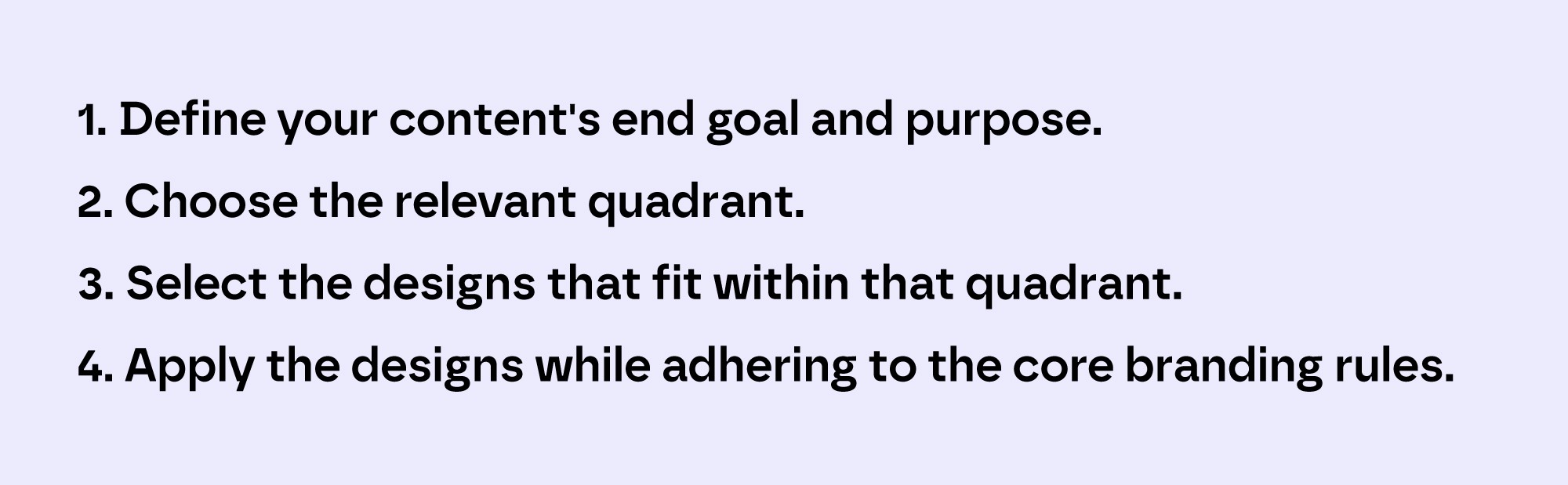
The Quadrant Framework streamlines this by aligning visual elements with your goals, audience, and their journey stage. By defining your content's purpose, you can choose design elements that support your objectives and guide users toward your desired outcomes.
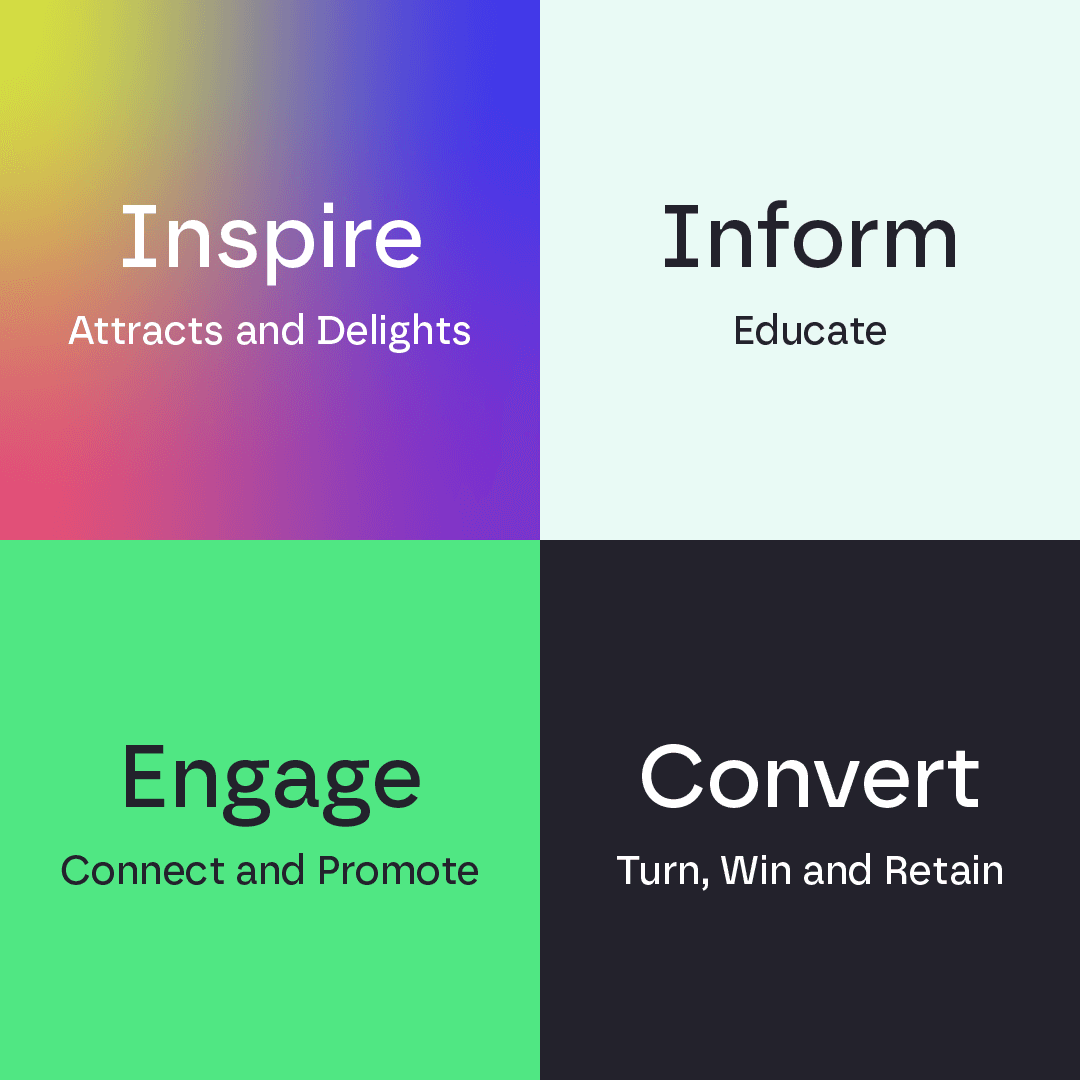
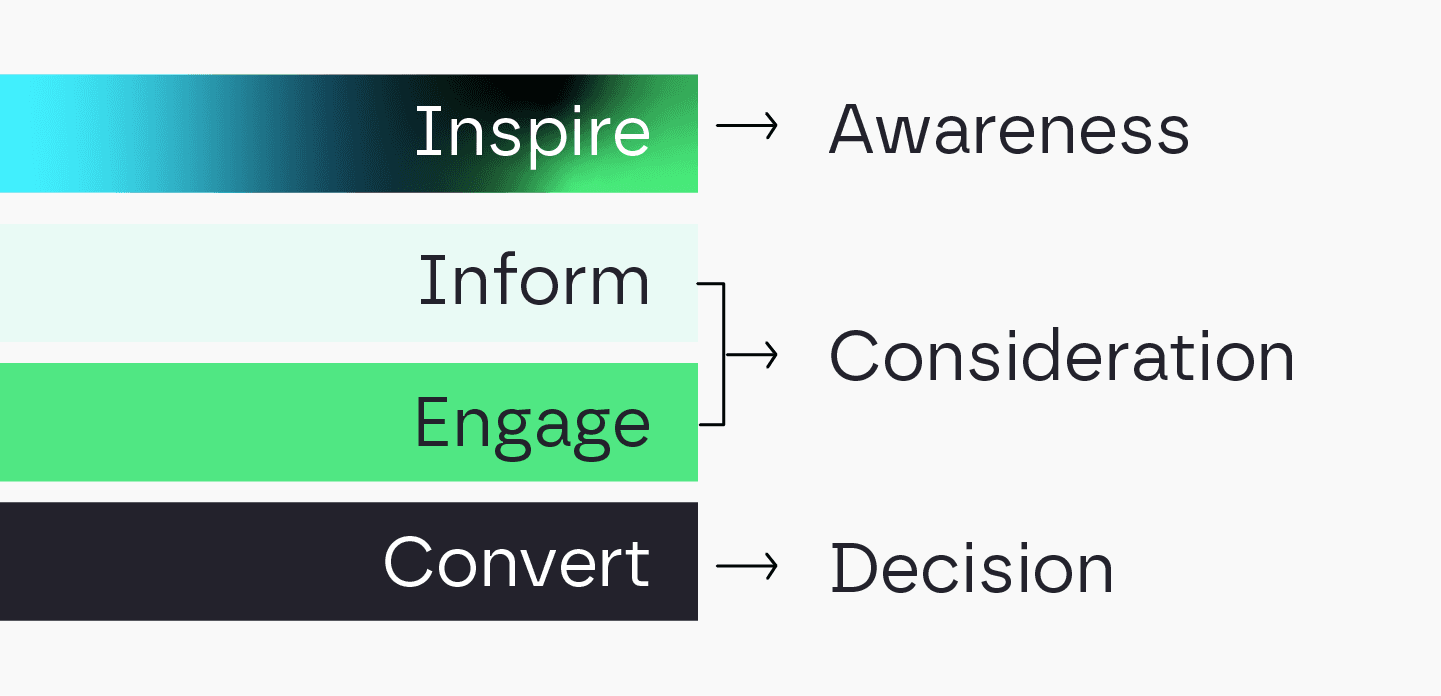
Each quadrant represents a distinct communication objective and provides guidance on how to use visual elements to achieve that objective:
Inspire- attract & delight our target audience.
Inform- educate potential and existing customer
Engage- Connect and promote Lumen5 within our community
Convert- Turn prospects into customers and win their loyalty so they become our brand advocates.
Inspire
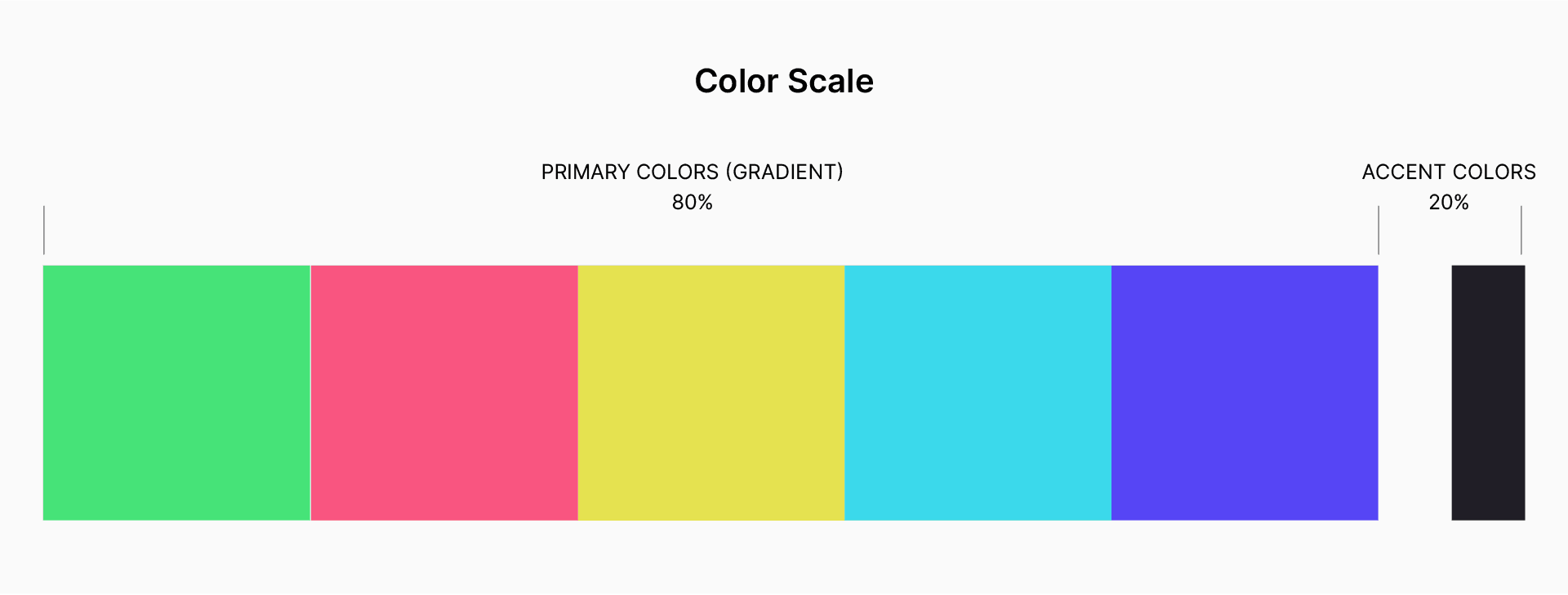
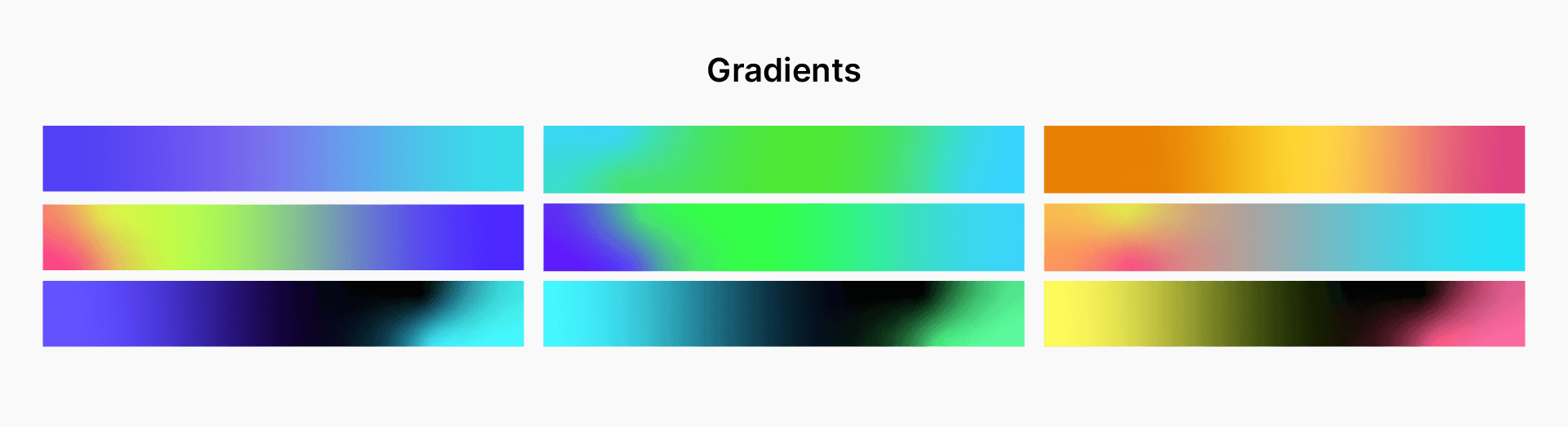

Purpose: To Attract and delight. Capture attention, evoke emotion, and generate excitement.
Goal: to ‘read more’ about Lumen5
Target Audience: Potential customers, general public
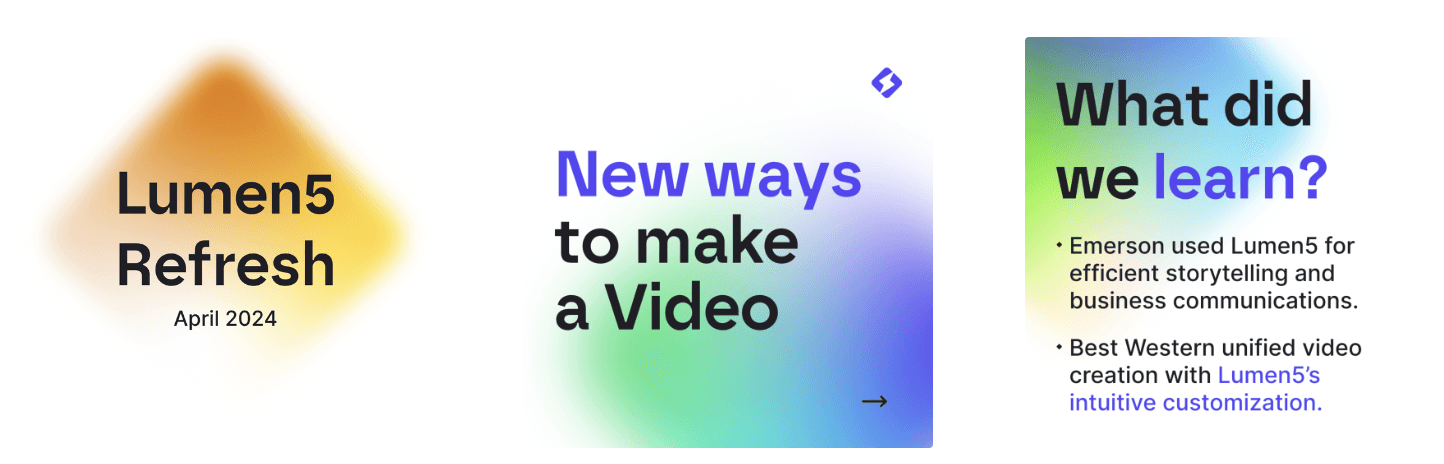
Visual Focus: Eye-catching visual elements, dynamic layouts that generate excitement and spark curiosity
Key Visual Elements:
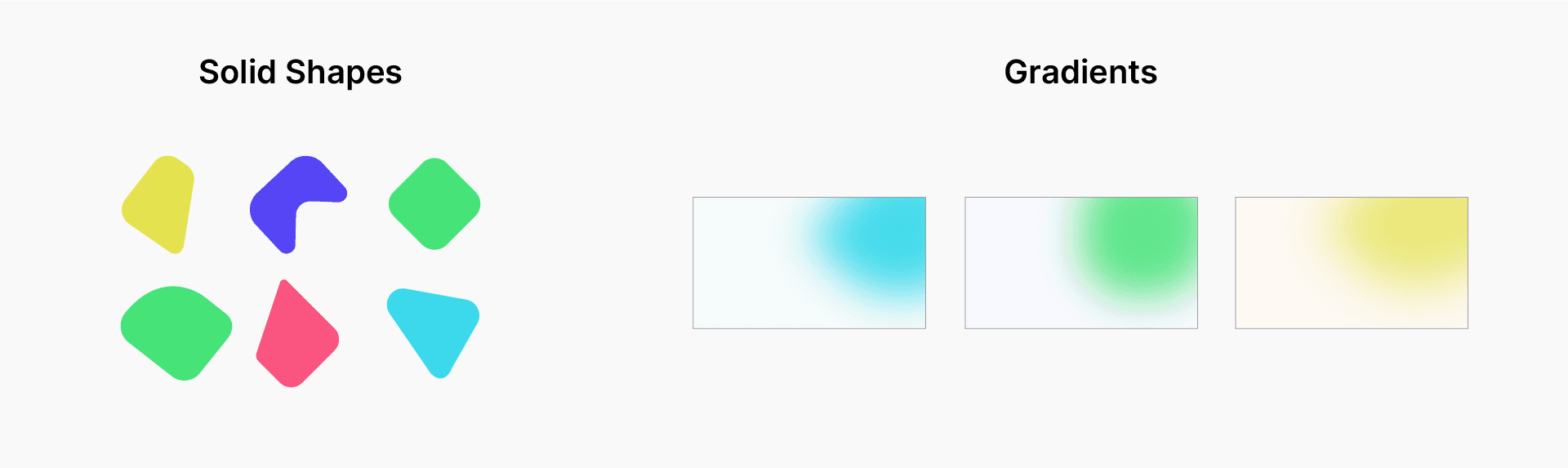
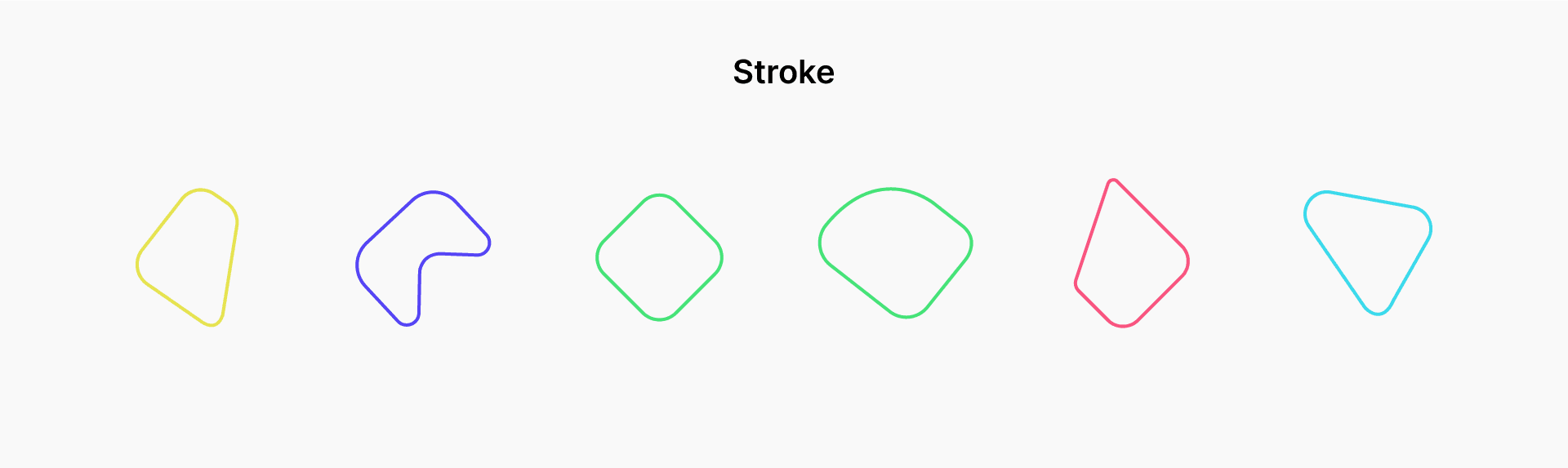
Shapes that overlaps or intersects for depth and interest
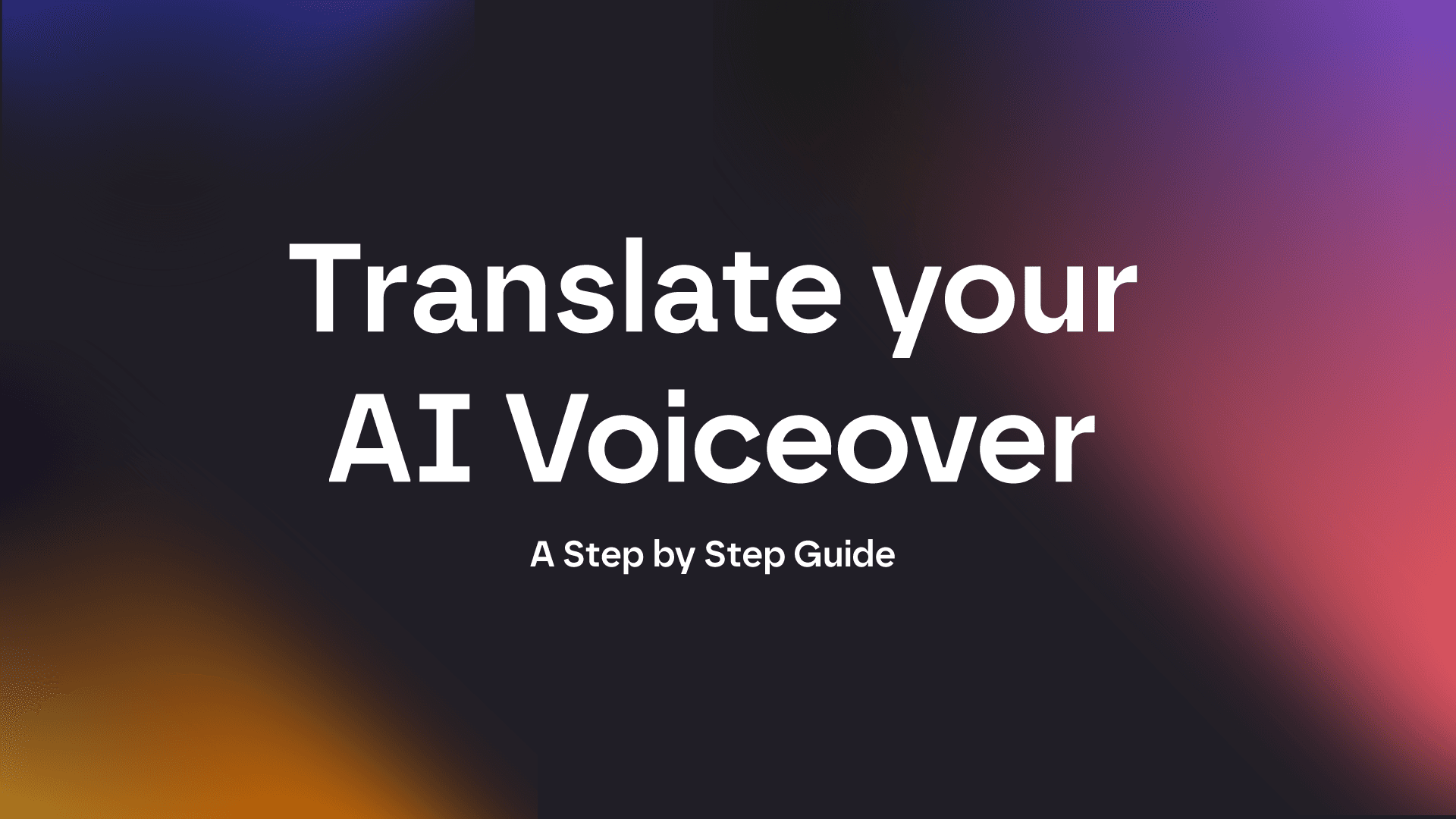
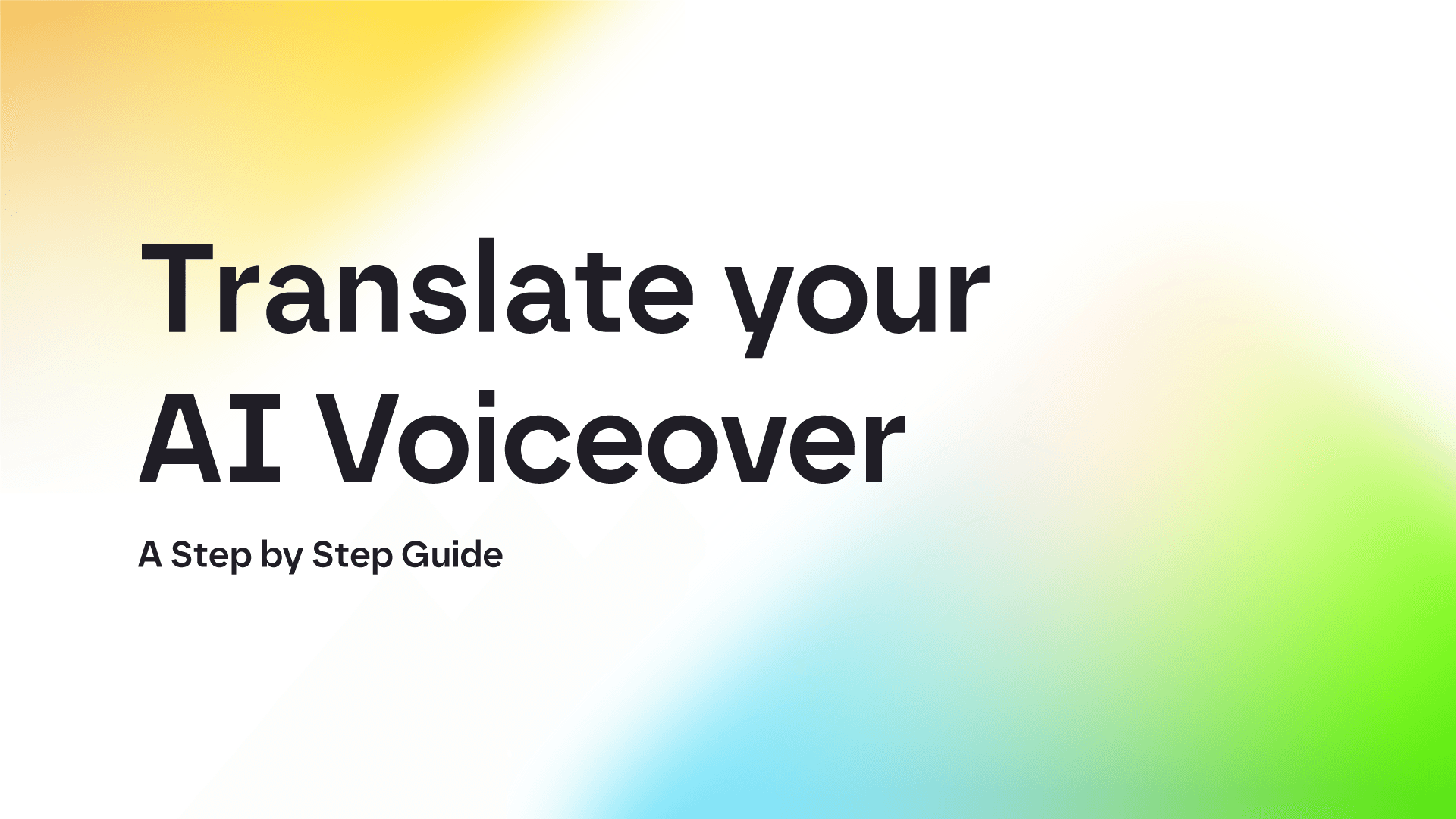
Gradient colors for shapes and strokes to create visual dynamism.
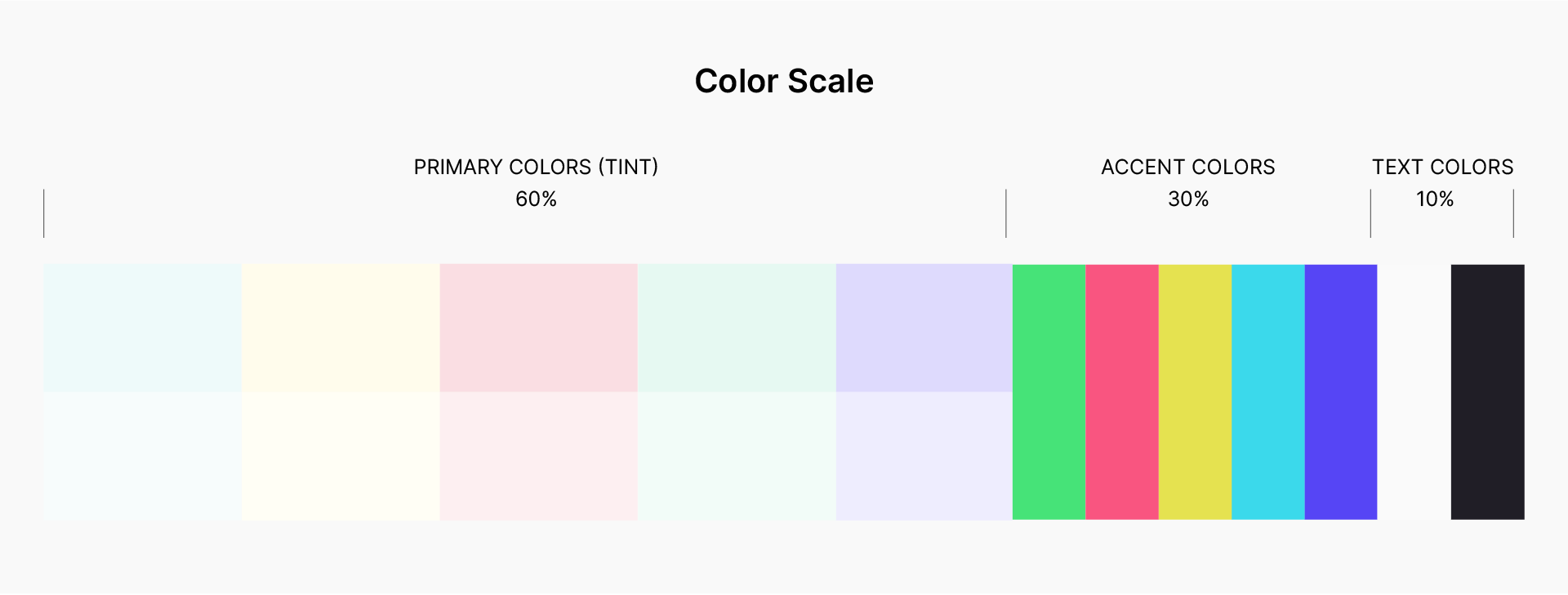
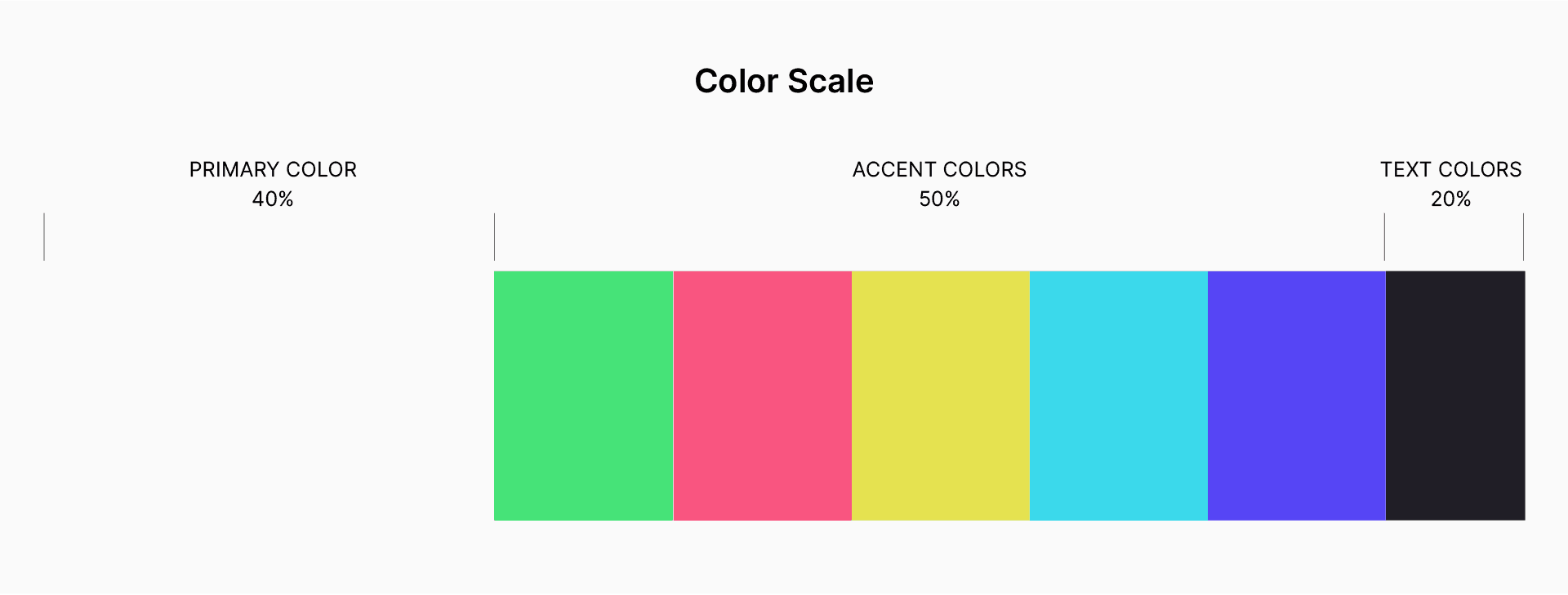
Vibrant colors to capture attention
Playful layout and imagery to evoke joy and curiosity
Dynamic movement use of animations or implied motion to create a sense of excitement and energy.
Visuals


Inform
Purpose: To Educate. Convey information clearly, establish credibility, and reinforce expertise.
Goal: To set up the next/ongoing touch point (sign up free, subscribe, visit our website)
Target Audience: Potential customers, existing customers
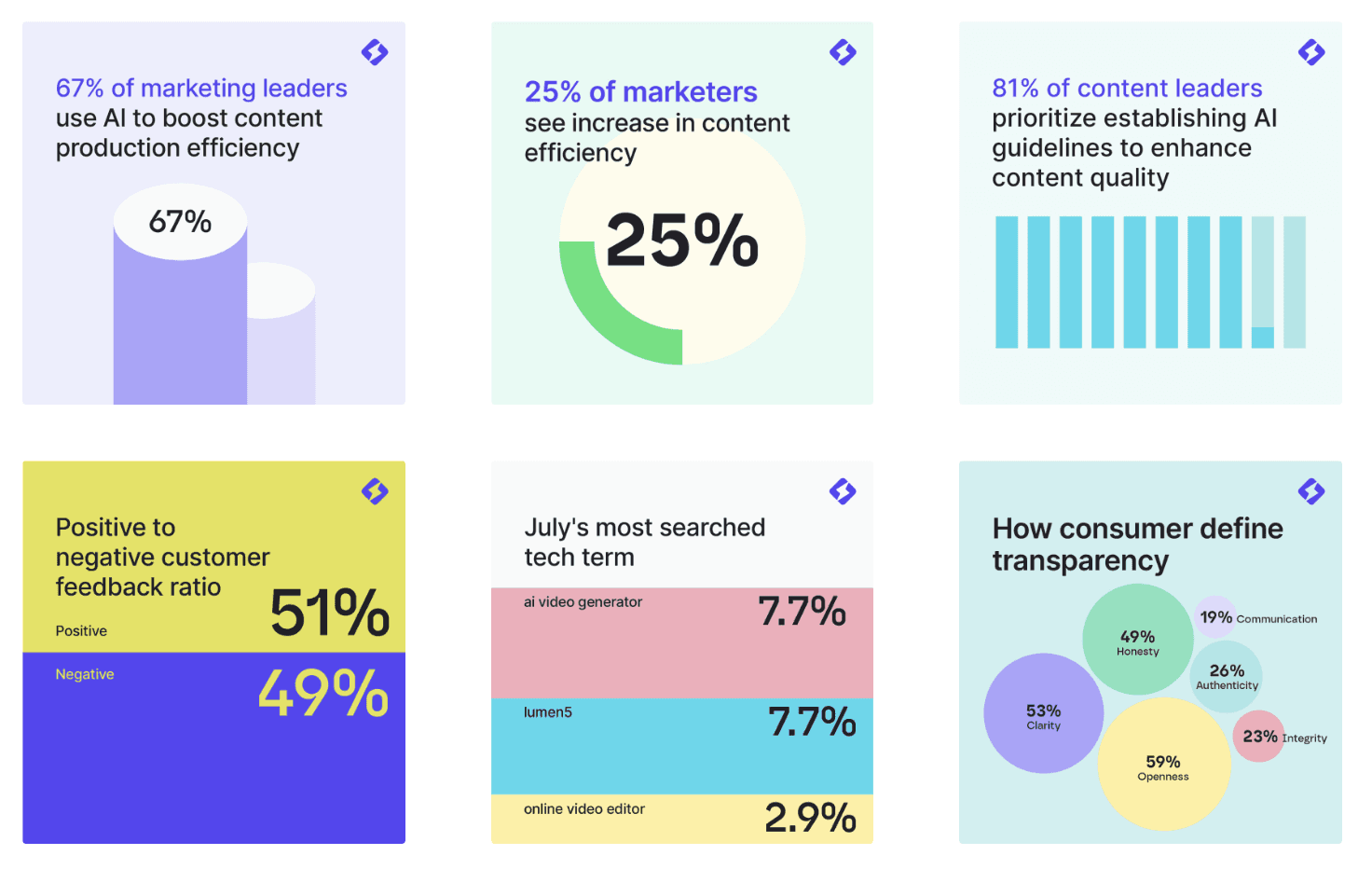
Visual Focus: Clear and concise visual information hierarchy using diagrams and illustrations
Key Visual Elements:
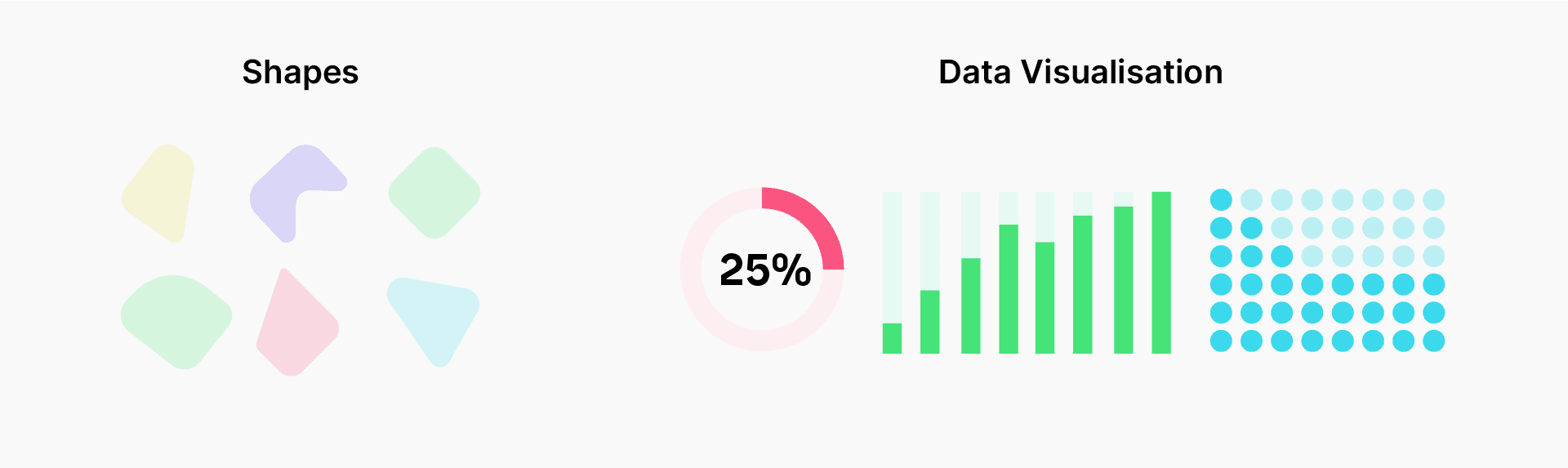
Shapes as subtle accents
Shapes act as placeholders for information, text and images for structure.
Geometric patterns to add visual interest but not distracting
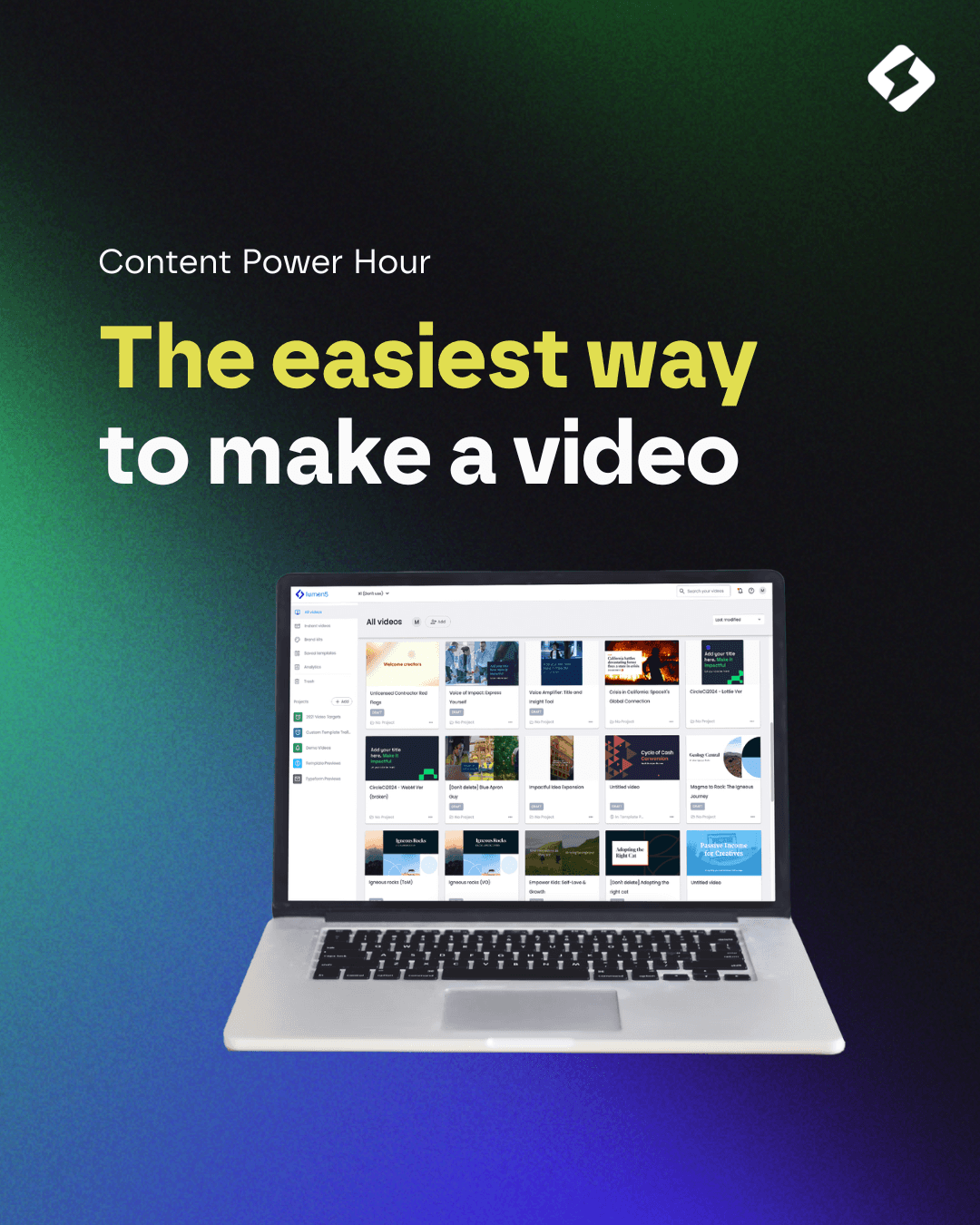
Abstract UI graphics: Helps in visualizing product functionalities and user interactions.
Clean, minimal layouts using grids to organize information and make it easily digestible.
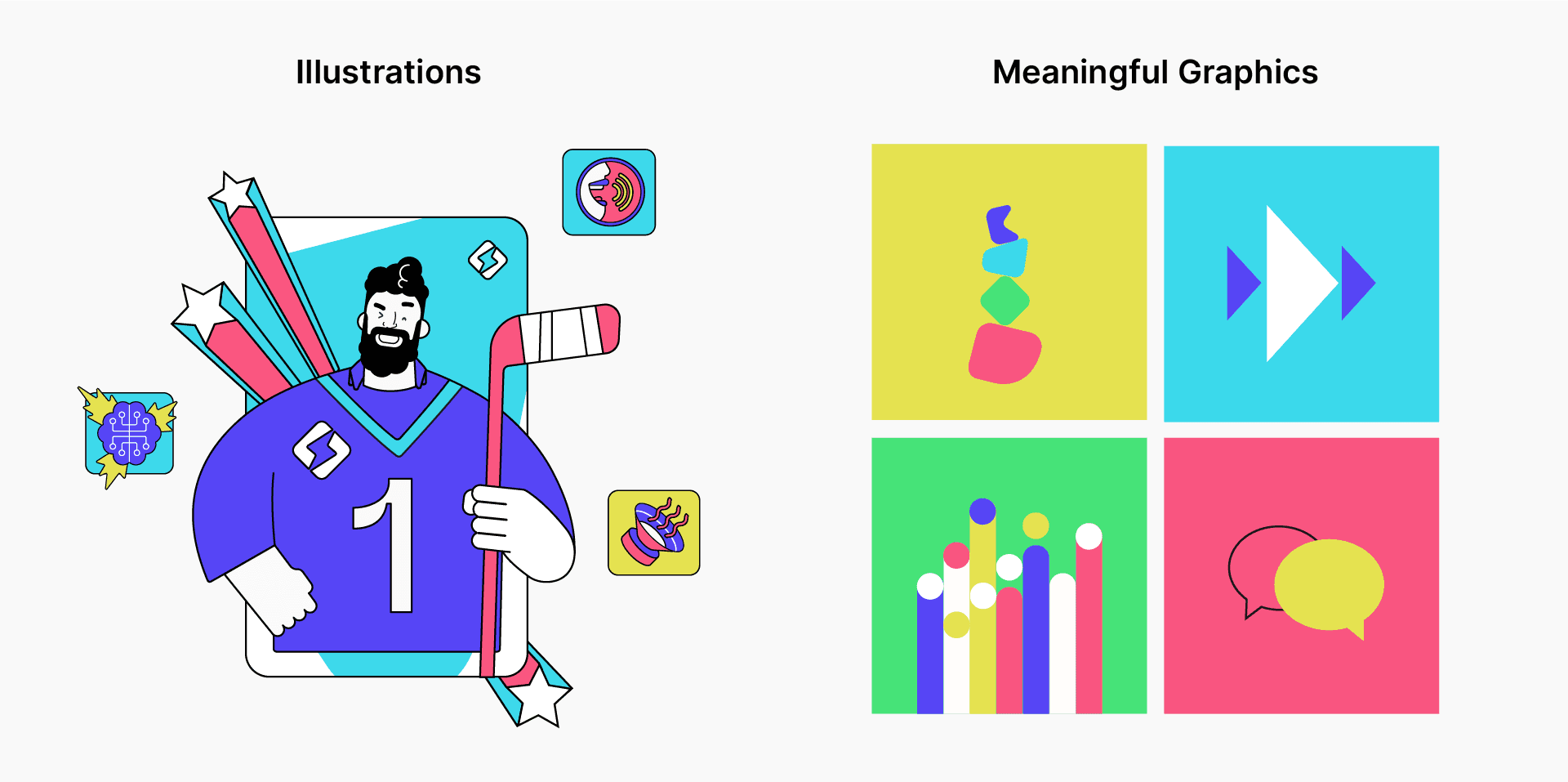
Use of Illustrations and Icons to make technology feel accessible and user-friendly
Visuals


Engage
Purpose: To Connect. Foster relationships, encourage participation, and build brand loyalty.
Goal: to stay in conversation with the contact over time. to ‘nurture’.
Target Audience: Existing customers, Lumen5 community members, brand advocates
Visual Focus: Warm and inviting imagery, personalized elements, storytelling visuals
Visual Strategy:
Shape animations to highlight key links or calls to action.
Playful interactions to encourage engagement
Use of micro animations to focus the viewer’s attention on important aspects of the content
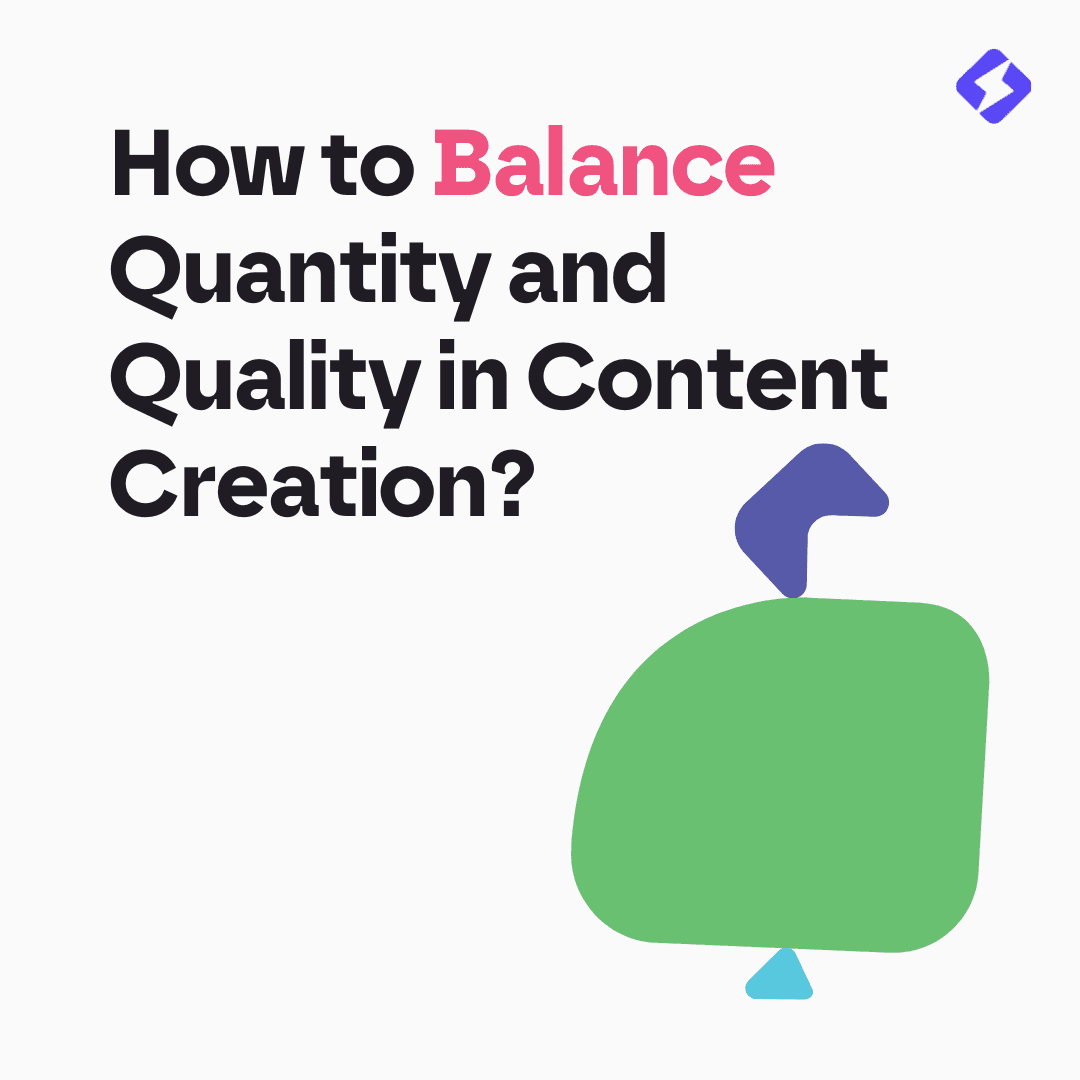
Use of meaningful Graphics to create narratives and simplify complex ideas
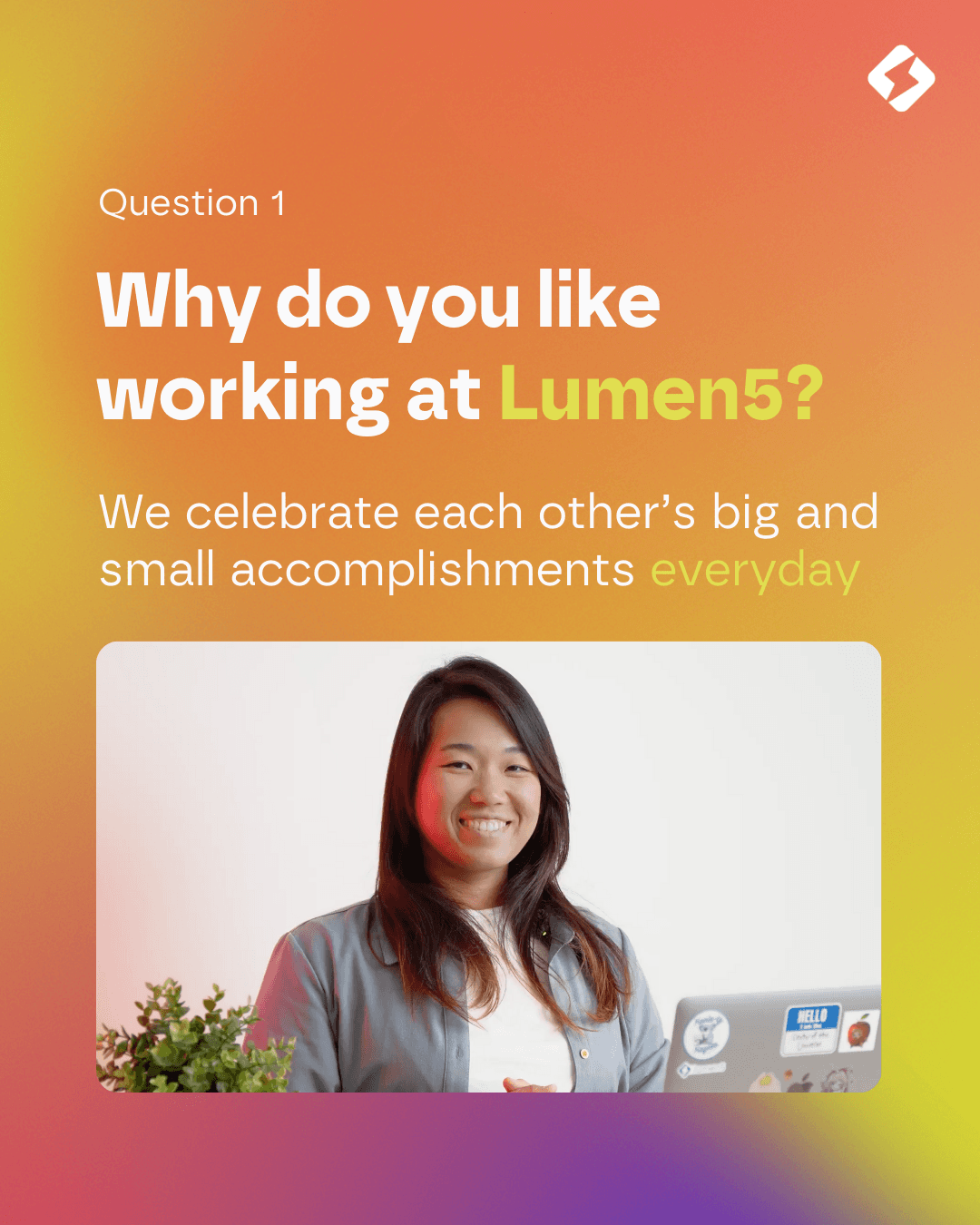
Personalized touch (e.g., photo of Lumen5 employee or signature)
Visuals:


Convert
Purpose: To Persuade & Promote. Drive conversions, highlight benefits, and guide users through a desired action.
Goal: demo request form fill-out
Target Audience: Potential Enterprise customers, decision-makers, sales prospects
Visual Focus: Impactful designs should drive users toward the CTA and use visual elements that enhance and support the presented information.
Visual Strategy:
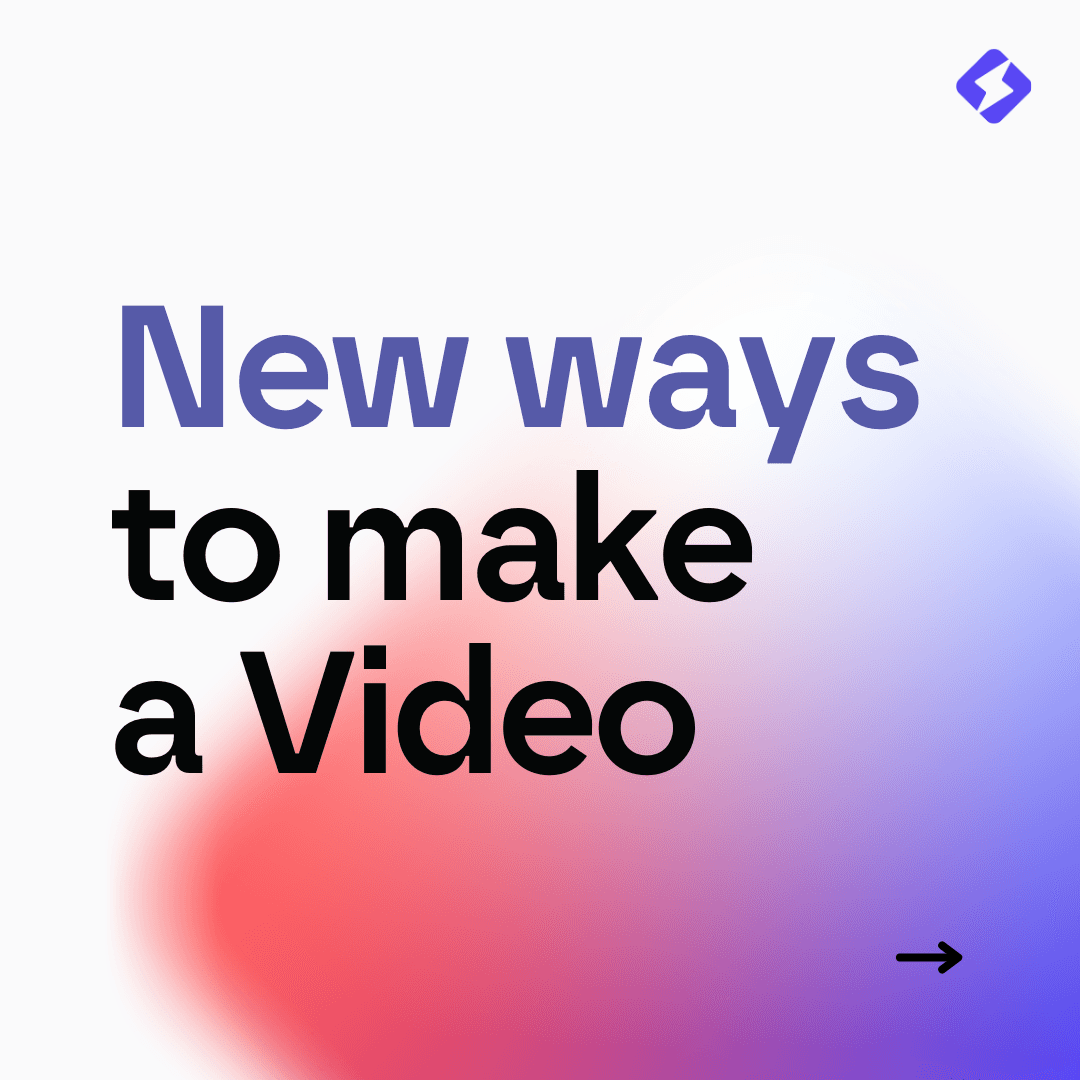
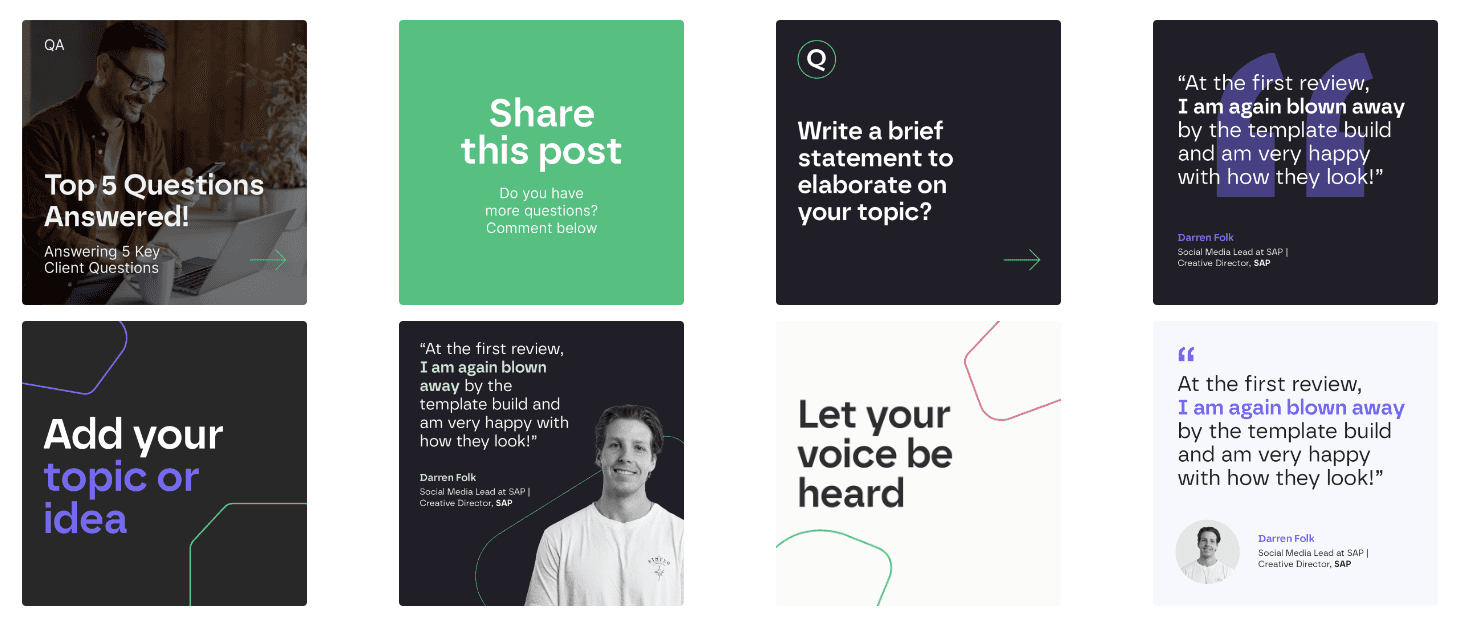
Directional cues to guide users (book a demo or commit to a purchase)
Visually clean, minimalist but impactful layouts to drive the message
Clear visual hierarchy to prioritize information and CTA
Elements to simplify complex ideas and build trust
Visuals:
How to Use the Visual Strategy